Deal Workspace
The workspace-only version of the analyzer: inputs, lender match, sensitivity, optimization, and saved scenarios in one operating screen.
The full picture in one pass. Track 1 shows what the lender uses to qualify the file (DSCR: whether rent covers the full monthly PITIA payment — principal, interest, taxes, insurance, HOA). Track 2 takes out vacancy, management fees and CapEx reserves — money set aside for the roof, the furnace, the things that fail once a decade — to show what you actually keep. It also gives you the break-even rate and cash-on-cash return (one year of cash flow ÷ the cash you put in), before you wire a deposit.
Analyze my deal →Quick DSCR check and max-purchase-price. Enter the rent, rate and property costs; get the PITIA breakdown (full monthly payment), rate tier guidance, and which Greenstreet programs fit — when you need an answer in 60 seconds, not 60 minutes.
Check my DSCR →Filter all 7 published Greenstreet DSCR program profiles by FICO, DSCR, LTV (how the loan amount compares to property value — lower means more equity and better terms), and property type. See which program parameters your scenario clears — and which it misses — before you make a single call. Screening is not an eligibility decision.
Screen my scenario against the programs →A 47-state-plus-DC matrix with statutory citations covering prepayment penalties (a fee some loans charge if you pay off or refinance early) and the usury statutes that sit behind them. Short-term-rental legality is a city and county question and is not in this matrix. Covers the traps that kill deals after you think you're done: OH/PA thresholds, NJ LLC risk, TX APR ban, MN HF 3437.
Check my state's rules →500 simulated rate paths show the probability your DSCR (rent-to-payment ratio) breaks below 1.0 before the ARM resets. Uses a calibrated Vasicek stochastic model — the same framework bank stress teams use — giving P10/P50/P90 distributions so you can see best, median and worst case in one view.
Simulate my rate risk →A 120-cell grid shows every combination of rent haircut and rate shock — so you can see exactly where DSCR breaks before a lender asks. Run it in seconds; share it as a defensible page in the loan package.
Run the stress matrix →Levered IRR (return on your cash invested after debt), equity multiple (total returned ÷ invested), and after-tax IRR accounting for the full depreciation stack: §167 straight-line depreciation, §469 passive-activity-loss, §1250 recapture at sale, and §1411 net investment income tax. The real net return, every line traceable.
Run my returns →Rental property's biggest advantage is depreciation — the IRS lets you deduct a portion of the building each year. The Tax Engine runs the full stack: §167 straight-line depreciation, §469 passive-activity-loss rules with the real-estate-professional exception, §1250 recapture at 25%, and §1411 NIIT. Every line traceable to a code section.
Calculate my tax shield →Short-term rental (Airbnb / VRBO) income is modeled on average daily rate (ADR) × occupancy with seasonal haircuts — a conservative methodology rather than the optimistic projections Airbnb shows hosts. Runs against published STR program parameters so you can model a qualifying DSCR before you list the property. Individual providers apply their own income rules.
Model my STR income →Adjustable-rate mortgages (ARMs) have a fixed period — e.g., 5 years on a 5/1 ARM — then reset based on an index (usually SOFR) plus a margin, subject to periodic and lifetime caps. The ARM Reset Analyzer computes the payment at every future reset date so you know the worst-case payment before your client signs.
Model my ARM resets →A rate & term refinance (replace your current loan to change the rate or term, without taking cash out) pencils only if the monthly savings pay back closing costs before you sell or refinance again. The Refi Tracker shows break-even month, NPV of savings, and the minimum rate drop that justify closing costs — so you refinance when the math confirms it, not when rates feel low.
Find my refi break-even →Analyze multifamily underwriting economics. Calculates EGI (effective gross income — rent after vacancy loss) and NOI (net operating income — EGI minus operating expenses, before debt service), then checks your 5+ unit deal against commercial DSCR expense-ratio minimums.
Model 5+ Units →Analyze short-term carry costs and exit viability. Calculates the interest reserve on a progressive draw schedule (you're charged interest only on funds disbursed so far, not the full loan) and checks that your takeout loan (the long-term loan that replaces it) can retire the bridge note before you draw the first dollar.
Calculate Bridge Carry →Convert standard Gross-Rent DSCR into TCO DSCR (True Cost of Ownership — DSCR with CapEx and maintenance reserves loaded into the payment side of the ratio, not just principal, interest, taxes and insurance), so you see the coverage you'll actually feel.
Convert DSCR to TCO →These are the deeper InvestGO workbench views that used to live only inside the platform sidebar. They now have stable public routes and sit beside the standalone engines.
The workspace-only version of the analyzer: inputs, lender match, sensitivity, optimization, and saved scenarios in one operating screen.
Rent breakpoints, rate headroom, appraisal stress, and structure changes after a deal has been priced.
Compare interest-only, amortization, rate, and cost structures against qualifying DSCR and investor cash flow.
Saved deal runs, state checks, and output logs for repeat analysis and audit trails inside InvestGO.
New to DSCR? Start with the Deal Analyzer — it covers everything a first-time investor needs in a single screen. Or see the recommended workflow for your strategy, or book a 15-minute walkthrough.
From single-family rentals to commercial multi-family and vacation Airbnbs, select a property type below to explore guidelines.
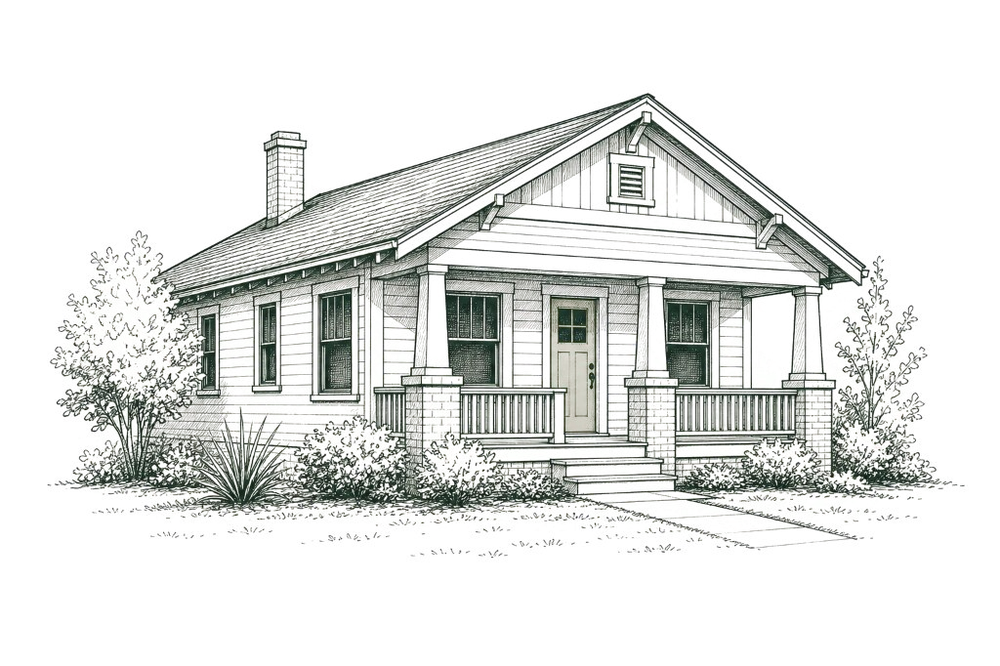
The core DSCR benchmark. Qualify strictly on appraised market rent or signed lease agreement with zero tax return requirements.
80% LTV·0.75x Min DSCR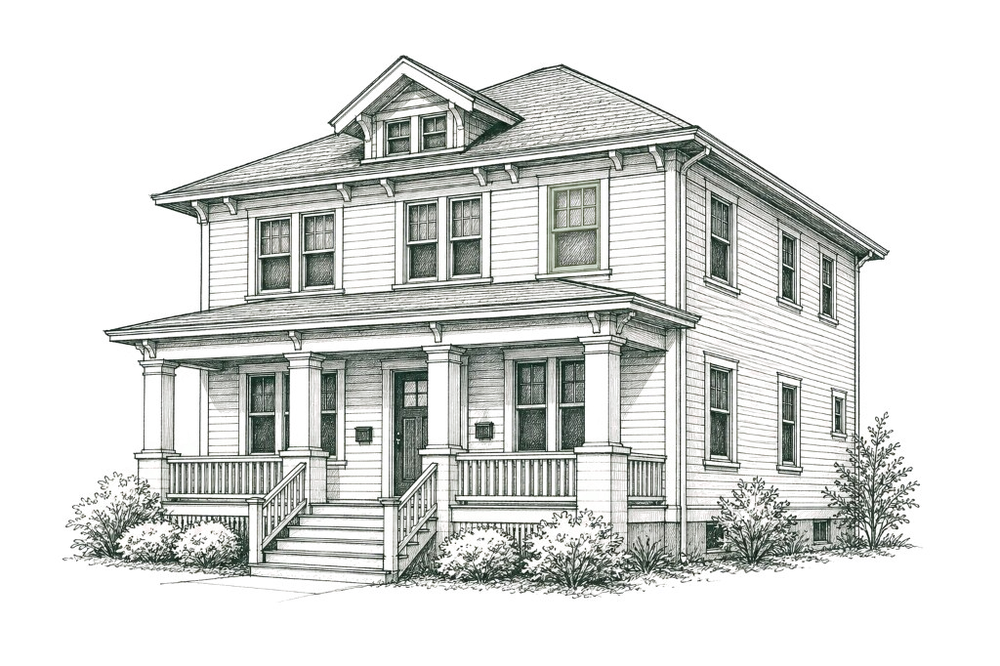
Two to four units under one roof means two to four rent checks against a single mortgage payment — which is why small multi-family files often carry more coverage than one house at the same price. Vacant units count at the appraiser's market rent.
75% LTV·1.00x Min DSCR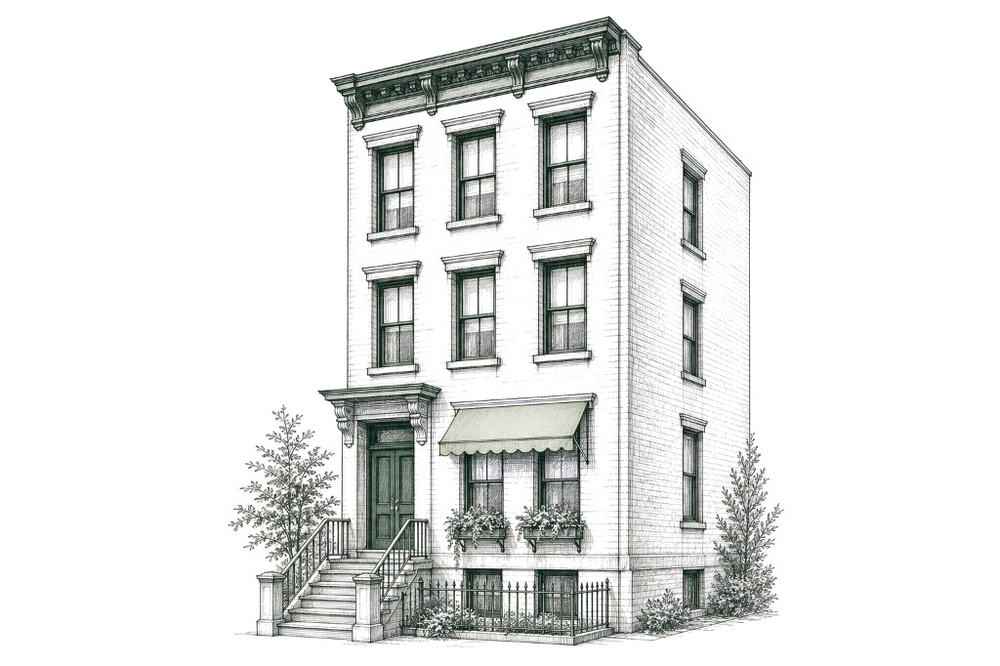
Institutional commercial underwriting for 5–36 unit residential buildings using gross operating NOI and debt yield metrics.
75% LTV·1.15x Min DSCR
Flexible guidelines covering high-density urban condo units, single-entity concentration issues, and HOA litigation exceptions.
75% LTV·1.00x Min DSCR
Qualify on projected STR gross revenue from AirDNA or Rabbu, or 100% of 12-month platform actual history across vacation markets.
75% LTV·1.00x Min DSCR
Finance mixed-use urban properties featuring street-level retail or boutique office space with apartments above.
70% LTV·1.20x Min DSCR